Notes on the signal beneath the noise.
Voice biomarkers, nervous-system state, and the things your wearable and your scale can't see.

Not every client call needs a screen.
On talk-heavy days many client 1:1s never need a deck, yet people still sit through the whole stack. Ontor shows activity time and longest uninterrupted stretch and can nudge a snoozable five-minute walk. It does not schedule walking calls or make longevity, step, weight, or heart claims. Individual desk wellness follow-on to the calendar sit piece, not dialer-floor B2B.
Read →
Sharp for 20 minutes, then the plug pulls.
On wall-to-wall client call days, many talk-heavy professionals are sharp for about 20 minutes, then hit an unnoticed mid-call focus drop. Ontor compares focus, hesitation, clarity, and energy in short voice windows plus computer rhythm with your usual range, and can nudge a snoozable short gap between calls. It does not guarantee a mid-call alert, restore focus, or diagnose anything. Individual desk wellness, not dialer-floor B2B.
Read →
You didn't decide to sit for five hours. Your calendar did.
On call-heavy days you can sit for hours without noticing, and fixed break timers get dismissed mid-call. Ontor's Today view shows activity time and your longest uninterrupted stretch, and nudges a snoozable break when your work rhythm drifts from your usual range. No hydration, disease, or diagnosis claims.
Read →
Three client calls in, your throat already knows.
After two or three client calls, solo talkers often feel throat tiredness versus their usual voice. Ontor notices vocal strain, energy, and fatigue in short windows against your personal usual range, and can nudge a snoozable quiet break or five-minute walk. It does not diagnose illness, treat the voice, or prevent voice loss. Individual desk wellness for talk-heavy professionals, not dialer-floor B2B.
Read →
The call ended 40 minutes ago. Your brain is still in conversation mode.
A 45-minute Zoom can kill the next 30 to 60 minutes. The problem is after the meeting, when conversation mode lingers and deep work drifts. Ontor notices voice during the call and computer activity afterward versus your usual range, and can nudge a short snoozable reset. It does not promise focus returns or diagnose anything. Individual desk wellness for talk-heavy professionals, not dialer-floor B2B.
Read →
Seven hours of video calls, no gap. By 5 PM your eyes hurt and the day is gone.
Some days are 7 to 8 hours of back-to-back video with barely time for water. By 5 PM people report fried eyes, head ache, and a day that is gone. Therapists say three online sessions can need a lie-down. Ontor shows Today activity time and longest stretch, fatigue and energy versus your usual range, and a snoozable five-minute break nudge. It does not detect eye strain or diagnose anything. Individual desk wellness, not dialer-floor B2B.
Read →
You trained Feel-Felt-Found. When the same tool repeats, it becomes a checkbox.
Feel-Felt-Found and other empathy tools go dull when over-repeated: checkbox delivery, not genuine, then authenticity burnout. Christopher Nye (Radius) names the checkbox; first ~60s pace/tone feel branches which tool to use. Justin Franklin (Cedar) requires tactical empathy that conveys emotion. Supporting color: Achando on vent-stack confidence drop (Kenya solar, not US ARM). Ontor compares short speech windows to each person's usual range. Not medical. Not a recovery guarantee.
Read →
You think you reset after the bad call. Your tone didn't.
After a bad cold call, Ian Cobb says you may think you have reset mentally while your tone still carries the frustration into the next conversation. The 60 second ritual can feel finished without a check on how you sound. Richard Moore's hurry-up speed-up is a second leak, not the spine. Ontor shows how you sound against your own usual range in about 10 second windows, so a short between-call reset can be checked rather than assumed. Not medical. Not a booking result.
Read →
Around call sixty, delivery flattens before you can feel it.
Around call sixty, Jason Hazel (Lead Engine) says delivery flattens: the words stay the same, the energy does not, and prospects hear the energy first. A break only moves that to call seventy. The hard hours are hard because you cannot feel them in time. Luke Ross adds matching your own best-call energy, which still arrives on playback. Ontor shows energy and confidence against your usual range in about 10 second windows so you can change the work or take a short reset before the flatten is obvious. Not medical. Not a booking result.
Read →
After the call-baiting session, confidence wanes. Ordinary questions get treated as bait.
After call-baiting or compliance-sensitivity training, collectors treat ordinary consumer questions as bait and confidence wanes mid-call. In a normal slump they reinvent technique instead of returning to personal fundamentals, and they often cannot hear themselves in the moment. Ontor compares short speech windows to each person's usual range and can suggest a short optional reset before the next overcorrection. Not medical. Not a recovery guarantee.
Read →
Your playbook did not make them sound desperate. Quarter-end did.
EoQ and pipeline pressure train mid-market sales floors to sound desperate. Soft check-ins and over-follow-ups land before the pitch. Leadership lines like bring this forward force a different job than the playbook taught. Ontor compares short speech windows to each person's usual range and can suggest a short optional reset before the next needy chase. Not medical. Not a win-rate guarantee.
Read →
Sounding calm when freight is on fire is its own skill
Ricky Sidhu admits he is not always calm when freight gets chaotic, but sounding calm when things are on fire is its own skill. Panic-calling six carriers while texting and emailing is noise, not strategy. Ontor compares stress, energy, and clarity to your personal usual range mid-exception so you can take a short reset before the next update call. Not medical. Not ROI.
Read →
Your voice cracked mid-call. The prospect heard the shake.
SDRs name mid-call voice crack, shake, and vocal collapse as what the prospect hears, not just private nerves. Trenton Reed: voice cracked, stuttered, prospect heard him shaking. Daniel Goerner: voice left mid cold call under live pressure (mechanism only). QUOTA maps pitch rise, pace spike, and volume drop under pushback into buyer-heard doubt. Ontor compares short speech windows to each person's usual range and can suggest a short optional reset before the next live connect. Not medical. Not a quota guarantee.
Read →
The deal closed. Your nervous system didn't. Why the next call still sounds sharp.
After high-stakes sales calls, sellers stay tired but wired; the next client talk still sounds sharp. Sabin Lakhani / Kokorology: Account Director tired but wired, too sharp lacking calm conviction, explicit two-minute post-meeting parasympathetic priming. Crowley, Gangal, and Iyengar corroborate breath/pitch/shake under pressure (vendors capped). Ontor compares short speech windows to each person's usual range so coaches can verify energy, clarity, and strain recovered before the next talk. Not medical. Not a deal-closure guarantee.
Read →
Same BD script. The first 30 seconds of energy still decide the meeting.
Staffing BD scripts can travel while opener energy kills conversion. Adam Tiberius's UK math worked; the same process tanked in the U.S. until he softened the first ~30 seconds (smile, happier, sound like you want to be there) and left ~90% of the call identical. Ontor compares short speech windows to each person's usual range and can suggest a short optional reset before the next blunt open. Not medical. Not a meeting-booked guarantee.
Read →
Same words, wrong tone. Collectors say "have a nice day." Leaders hear the hangover.
Collectors can say the compliant closing line while outcome frustration leaks into tone. The defense is 'I said have a nice day.' Agents often cannot hear that hangover in the moment, and transcripts miss tone and flow. Ontor compares short speech windows to each person's usual range and can suggest a short optional reset before the next close. Not medical. Not a recovery guarantee.
Read →
Load count says 3. Your nervous system says 15.
Ryan Smith named days when 3 loads felt like 15: carrier falloff, rate pushback, detention, mad shipper, slow receiver, updates every 12 minutes, while you stay calm and protect customer, carrier, and margin. Ontor compares short speech windows to your personal usual range so you can notice stress and fatigue leave between updates, and take a short reset. Not medical. Not ROI. 'Nervous system' is Smith's attributed phrase.
Read →
When anxiety shows up as tonality. Managers hear the voice, miss the spiral (and crush the baseline)
Sitting sales leaders hear anxiety as tonality and behavior on listen-ins. Feedback in the wrong frame can fuel a confidence spiral so the next dial sounds worse. Ontor compares short speech windows to each person's usual range and can suggest a short optional reset before the next dial. Rep privacy first. Not medical. Not a hire-fire scoreboard.
Read →
If your sentences end like your voice is buffering, prospects hear the authority drop
Coaches hear end-of-phrase vocal fry and fade under stress or fatigue before you do. Cecilia Brändström names it: sentences end like your voice is buffering. Airflow, not confidence. Authority drops with the last word. Ontor compares short speech windows to your personal usual range so last-word drift in energy, clarity, strain, and breathing-related markers is visible. Not medical.
Read →
Same words. Clients hear the energy underneath. Staffing sales leaders already A/B it. Dashboards still can't.
Two recruiters can say the same thing on the phone. One books the meeting. Confidence and energy (or chore energy clients can hear) decide it, and call #14 still has to sound first-time fresh. Ontor compares energy/confidence/clarity to each person's usual range in short windows and suggests short resets before the next BD speech.
Read →
Your voice sounds anxious because you're breathing like someone who is
Callers can feel fine and still sound anxious. Shallow chest breathing produces the sonic fingerprint of stress: tight pitch, clipped phrases, mid-sentence air starve that turns into a rush. Your voice reports your breathing, not your feelings. Ontor compares short speech windows to your personal usual range and can suggest a short optional reset. Not medical.
Read →
Recoveries look fine. Complaints say how they said it.
First-party floors can lead on recoveries and still draw client complaints about delivery: how collectors sound, and what they omit, when hardship conversations trigger them. Hang-ups also land in the ask-for-info window before negotiation. Ontor compares short speech windows to each person's usual range and can suggest a short optional reset. Not medical. Not a recovery guarantee.
Read →
Boards count the inbound carrier calls. Leaders still miss when phone exhaustion drains energy before the ones that matter.
Bill Bochkay's 10-person Whitewater desk fielded about 2,900 inbound carrier calls a week, nearly three a minute, half unqualified. Phone exhaustion took time from relationships and sales development. Ontor compares short speech windows to your personal usual range so you can notice fatigue and energy drain before the next meaningful call, and take a short reset. Not medical. Not a pitch against call filtering. Not ROI.
Read →
The pause isn't awkward. Filling silence is how prospects hear you're scared.
After a good question the prospect goes quiet and you treat that pause like danger, so you fill it. The silence wasn't the problem; what you made it mean was. Filling removes the honest answer. Prospects hear the rush as state. Ontor compares short speech windows to your personal baseline and can suggest a short reset so the quiet can land. Not off-game over-explain; not notes presence; not robot-by-lunch.
Read →
Your staffing desk can look busy and still be in a rut. Clients hear the missing tone before you do.
Agency sales leaders see green dials and fill rates while a desk is still in a rut. Tone and excitement leave the voice, ordinary calls feel enormous, and conviction wobbles under client challenge. Ontor compares energy/confidence/clarity to each person's usual range in short windows and suggests short resets before the next BD or client speech.
Read →
Coaches train the voice. The Voice Mask still cracks when they name the price.
Tracy Goodwin's Voice Masks® hold in practice and teaching, then crack on price, challenge, or sell-me-something. Listeners hear protection before words; sellers often cannot. Ontor compares short speech windows to each person's usual range and can suggest a short optional reset between coaching sessions. Not medical. Not ROI. Ontor does not own Voice Masks®.
Read →
By call 30 you're sinking into the chair. Afternoon flat is a body-to-voice problem.
By call 30 many ICs have sunk into the chair and afternoon dials sound flat. That is a body-to-voice leave across a seated block, not missing enthusiasm. Standing can hold talk time and objections; when interest shows, sit and lower your pace. Ontor compares short speech windows to each person's usual range and can suggest a short optional reset. Not medical. Not ROI.
Read →
Your remote collectors don't have a hallway. Dials still act like they do.
Remote and hybrid collections floors lost hallway and breakroom peer resets. Journeys, AUX, and chat check-ins still assume recovery before the next hostile dial. Ontor compares short speech windows to each person's usual range and can suggest a short optional reset. Not medical. Not ROI.
Read →
Freight deals stall when reps jump in hot. Shippers hear desperate energy before they hear the offer.
Your first job in a freight negotiation is remove yourself as the threat. Jumping in hot stalls the deal: shippers hear desperate energy before the offer. Ontor compares short speech windows to your personal baseline for calm tone and no desperate energy, and can suggest a short reset when stress or confidence leave your usual range. Not medical. Not ROI.
Read →
Your thin voice isn't the boardroom version. It's become your everyday baseline.
Executive coaches describe clients whose thin, tight voice became everyday normal, not only a boardroom one-off. Pitch climbs, cadence speeds, Zoom energy drops early while the mic feels loud enough. Ontor compares short speech windows to each person's usual range and can suggest a short optional reset between sessions. Not medical. Not ROI.
Read →
You got through Mini-Miranda and RPC. Collectors still freeze: afraid to ask, feel bad.
Post-RPC ask freeze in collections: Mini-Miranda and RPC pass, but collectors still freeze (afraid to ask, feel bad) while compliance checkboxes look fine. Answeeney and Hagey name it; Ontor compares short confidence/strain windows to each person's usual range and suggests short resets.
Read →
When you're off your game you rush and over-explain. Years of practice don't remove it without a pre-call regulate.
When conviction is low or you skip a pre-call regulate, pace and talk-ratio leave your usual range: you rush, over-explain, and authority collapses in the voice. Years of practice don't remove it. Ontor compares short speech windows to your personal baseline and can suggest a short reset when the shift sticks. Not a pipeline-pressure survival-mode rewrite; not mid-call notes presence.
Read →
Under pipeline pressure, SDRs enter survival mode. Call quality drops while dials still look busy.
When pipeline or investor pressure spikes, SDRs enter survival mode: they rush, pitch instead of listen, and call quality collapses while dial dashboards still look busy. Oscar Fung names it; Ontor compares short confidence/energy/stress windows to each person's usual range and suggests short resets.
Read →
Recruiters talk about fees like admitting to a crime. Clients hear the wince.
Staffing BD coaches preach fee confidence, but dial boards never show the wince. Recruiters state fees with fillers and nervous laughter, almost apologise, or hide fees in email. Ontor compares confidence/strain/clarity to each person's usual range in the silence after the number and suggests short resets.
Read →
They teach energy match so you don't go flat under hostility. Collectors still leak upset they think they're hiding.
Collections energy match under hostility: flat/robotic fails, and collectors still leak upset they think they're hiding. Van Cleave trains meeting energy; Hoheusle names the audible leak; Ontor compares short mid-hostile speech windows to each person's usual range and suggests short resets.
Read →
190 of 200 dials sounded identical. Confidence was dust by noon.
Motion scoreboards make every call sound the same: KD watched ~190 of 200 dials sound identical while confidence was dust by noon. Prospects say robotic; excitement coaching lands as desperation. Ontor compares confidence/energy/stress to each person's usual range in short speech windows and suggests short resets.
Read →
Prospects can tell when you're not present. Typing while listening is not free.
Prospects notice when you're half in the CRM: half-beat-late reactions and not-present delivery are a how-you-sound / energy problem under split attention, not a note-taking tooling gap. Ontor compares short speech windows to your usual range and can suggest a short reset when presence/energy drifts mid-conversation. Does not detect typing or replace note-takers.
Read →
The polished voice locks when the room starts evaluating
Evaluation freeze for coaches' clients: the trained voice locks under panel/board/high-scrutiny, technique that worked an hour ago fails at open, and self-hearing muffles so speakers cannot self-correct. Ontor compares short speech windows to personal usual range and can suggest short resets coaches prescribe but cannot instrument live. Does not claim clinical treatment for evaluation anxiety.
Read →
Why you can't hear your own voice under pressure (and what coaches do about it)
Under pressure the voice climbs, thins, rushes, or gets quieter - and speakers often cannot hear it while it is happening. Coaches become the mirror in sessions or on recordings; live dials stay blind. Ontor compares short speech windows to each person's usual range between coaching appointments.
Read →
You QA Mini-Miranda. You still miss when a collector isn't themselves after a rough open.
Collections compliance hangover after a rough open: when collectors miss "I'm not myself," the next speech window risks unintentional compliance paraphrase and tone collapse. Reynaud names Reset/Reboot; Ontor compares short speech windows to each person's usual range and suggests short resets.
Read →
Freight cold calls die when the pickup becomes a pace dump.
On freight cold pickups, reps dump company boasts at a million miles a minute so shippers never get a turn. Leaders already name overtalk and too-fast delivery. The sharper gap is rushed pitch versus personal baseline in the early speech window, then a short reset before the next dial.
Read →
The first dial of the day is the hardest. Dial boards never show morning cold-start.
Tyler Gangestad (VP Sales, FreightWise) says the first dial of the day is the hardest. Freight sales leaders can see dials. They still miss morning cold-start: voice and state not yet in call mode before dial one, and a private usual-range check plus short reset before the block.
Read →
Collectors sound distracted around breaks. Dial boards and QA scores still miss it.
Collections break-window fatigue: pre-break focus drop and post-break linger visible in speech-analytics micro-patterns. When collectors stumble mid-flow, coach breathe/reset instead of multitasking. Ontor compares short speech windows to each person's usual range and suggests short resets.
Read →
The polished stage voice dies on the first board interruption
Stage and public-speaking voice coaching can polish prepared material, then collapse on the first live board interruption: small pitch drift, pace spike, throat compression the speaker misses. Ontor compares short speech windows to each person's usual range and suggests short resets between coaching appointments.
Read →
Your cold-call voice isn't missing enthusiasm. It's a mode switch off your usual sound.
Forced professional phone voice raises pitch and sounds apologetic. The same person often sounds fine off-script. The failure is a call-mode switch off your personal baseline, not missing enthusiasm.
Read →
A pressured voice can sound anxious or robotic. Coaches still treat them as different problems.
Under one pressured cascade, pitch rises and the arc narrows so voice can sound anxious OR robotic. Coaches misdiagnose confidence vs technique. Ontor shows usual-range markers in live windows when the coach is absent.
Read →
Tone of voice in the first 10 seconds decides if they stay on the phone.
Collections opening hello: personal voice energy and confidence versus that collector's usual greeting. Catch mid-shift robotic or flat drift before the one-shot contact burns. Ontor compares short speech windows to each person's usual range and suggests short resets.
Read →
When the phones blow up after a freight fire, the first 10 seconds decide the floor.
After a freight fire, customers blow up the phones. Leaders already know fires happen. The sharper gap is whether the floor's first 10 seconds of voice and energy matched the panic or stayed steady versus personal baseline.
Read →
After you quote the rate, the quiet is not a rejection. Filling it usually is.
After a rate is quoted, the line often goes quiet and brokers rush to fill it by cutting price. Treat those 3-10 seconds as a composure window: notice stress/confidence/strain vs your usual range, reset, then ask a context question instead of conceding.
Read →
You trained the words. Consumers still hear the shake.
Tenured collectors still get a shaky voice on the hardest ask. Consumers hear tone and volume. Ontor compares stress, confidence, and clarity to each collector's usual range during speech and suggests short resets when shifts persist.
Read →
You delivered the no. It can sit with you all evening. The next client call still has to sound ready.
After staffing leaders deliver a rejection call, the no can sit with them all evening. Dashboards show the call happened. They still cannot tell if composure came back before the next client or BD conversation.
Read →
You already live-monitor the floor. You still miss when a collector drifts off their own demeanor.
Collections leaders already live-monitor but still miss mid-shift personal demeanor drift. Silence and overcompensation arrive late. Ontor compares voice to each collector's usual range in short speech windows and suggests short resets.
Read →
The carrier canceled. Your next recovery call still has to sound calm.
After a last-minute carrier cancel, freight desks scramble into recovery dials while still charged for the miss. Owners already name freakout risk; the sharper gap is composure and energy versus your personal baseline in that window.
Read →
The placement fell through. Your next client call still has to sound ready.
After a fallen placement or brutal rejection, staffing leaders already preach reset and show up ready. The sharper gap is whether tone, energy, and composure actually returned toward personal baseline before the next client or candidate call.
Read →
You call it attitude. ACA calls it Assumption Fatigue.
Liquidation dips from your best-tenured collectors after stock objections look like attitude. ACA names Assumption Fatigue. Ontor shows clarity, energy, and confidence drift vs personal baseline before probing dies.
Read →
Leaders treat the minutes between calls as empty. The hangover isn't.
Mid-market phone leaders measure dials and talk time, then treat the minutes around the connected call as empty. The hangover is unpaid recovery and reconstruction work. Ontor surfaces voice-state drift vs personal baseline and suggests short resets before the next connect.
Read →
You already built a midday phone reset. Can anyone tell if it restored readiness?
Search partners already design midday phone disengages after ~3.5-4 hour mornings and energy-matched afternoon calls. Calendars show the break. They still cannot tell if voice and energy restored before the next BD block.
Read →
We score Empathy & Tone. We still miss when a strong collector drifts off their own baseline.
Collections Empathy & Tone scorecards grade absolute calm and transcript words. They miss drift versus this collector's morning voice. Ontor adds a private usual-range check and short resets.
Read →
Collectors develop calluses. Your recovery dashboard never shows it.
Collections dials and recovery rates miss cumulative empathy numbness after repetitive hardship calls. A credit union AVP already names the calluses. Ontor adds a private usual-range voice check and short resets.
Read →
Your first connect of the day shouldn't be your warm-up rep
Morning dial blocks often burn the first live connects as warmup while your voice is still rusty. A private check of how you sound versus your usual range plus a short reset keeps real pickups from becoming practice.
Read →
Leaders already ask how the floor sounds vs day one. The dialer never answers.
Mid-market phone leaders already ask how reps sound vs day one. Dial boards never store continuous voice-state versus personal baseline. Ontor instruments that early-warning question.
Read →
Freight never sleeps. Your voice still has to sound awake at 3AM.
Dial dashboards miss the after-hours call that wakes a freight sales leader at 2AM. Owners already name decision fatigue and strained communication; the sharper gap is overnight voice composure versus your usual range.
Read →
Practice holds. Live dials don't. Coaches still can't see the transfer gap in voice.
Coaches teach tone and composure, then diagnose with delayed clips. Practice confidence often fails to transfer to live dials, and post-rejection carry-over stays invisible vs personal baseline.
Read →
Your staffing team finally got a live connect. You can hear they're uncomfortable.
Staffing leaders struggle to get recruiters/BD on the phone. When a rare live connect finally lands, coaches hear rush and discomfort. Activity KPIs miss voice-state vs baseline.
Read →
You start the block sounding like Morgan Freeman. By lunch you sound like a robot.
After hours on the phone, vocal fry rises, pace goes monotone, and humans hear the burnout your dialer never counts. A private voice check against your usual range plus a short reset is how you catch block-length robot voice.
Read →
AI took the easy contacts. Your floor still runs like every call is routine.
After AI deflection, collections and contact-center humans inherit a more emotional queue while AHT and occupancy still assume a mixed day. Dashboards miss readiness between hard contacts.
Read →
Your dialer counts talk time. Prospects hear when the voice tightens.
Mid-market phone teams already count dials and talk time. Prospects still hear when a rep's voice tightens under resistance. Scripts fail in that second, and dashboards never show the live vocal state.
Read →
Your staffing team dropped the 150-dial quota. Can anyone tell if the remaining calls still sound ready?
Staffing sales leaders dropping 150-dial quotas still miss readiness on higher-stakes remaining calls. Talk time tracks revenue better than dials; how people sound still stays off the board.
Read →
A bad cold call should last 30 seconds. Why does yours last all day?
Callers feel stress and tension on cold dials, then let a rough connect color the rest of the shift. A private voice-state reset you own is how a 30-second call stops lasting all day.
Read →
Scripts fail when the voice still shakes. Coaches already know the call-block problem.
Sales and performance coaches already teach regulate-before-the-block and voice presence. Scripts still fail when the voice shakes on the live dial. A private readiness signal can sit next to that coaching.
Read →
Collections leaders can see dials and tenure. They still miss confidence collapse in the first 60 days.
Collections leaders track dials and tenure. What they still miss is confidence collapse in the first 60 days after training-to-nesting-to-production handoffs, before collectors reach tenured productivity.
Read →
Your dialer left 5-10 seconds between calls. That’s where afternoon fade starts.
Mid-market phone teams gained connects from parallel dialers and lost micro-breaks between attempts. Afternoon fade often starts in the 5-10 seconds after a rough rejection, when dashboards still only show dials and talk time.
Read →
AI doubled staffing call time. More conversations still aren't more placements.
ASA data puts recruiter call time at a record 286 minutes a week after AI freed admin hours. Staffing leaders still need readiness and conversion visibility beside dials and fills.
Read →
Collections leaders can see dials and recovery rates. They still miss readiness after a hostile call.
Collections and contact-center leaders track dials and recovery. What they still miss is agent readiness after a hostile call — and how to support cool-downs without individual surveillance.
Read →
Staffing sales leaders can see dials and fill rates. They still miss readiness between BD call blocks.
Staffing sales leaders track dials and fills. What they still miss is readiness between protected BD call blocks, and how to support short resets while personal readings stay with the person.
Read →
Freight sales leaders can see dials. They still miss readiness between call blocks.
High dial culture and attrition are visible. What freight brokerage sales leaders usually cannot see is whether reps are still ready for the next call after exception stress — and how to help without individual surveillance.
Read →
The Nervous System Coaching Risks Nobody's Naming
Nervous-system coaching has no license, no exam, no protected title. Here's the real risk that creates, and what actually grounds a good coach's practice.
Read →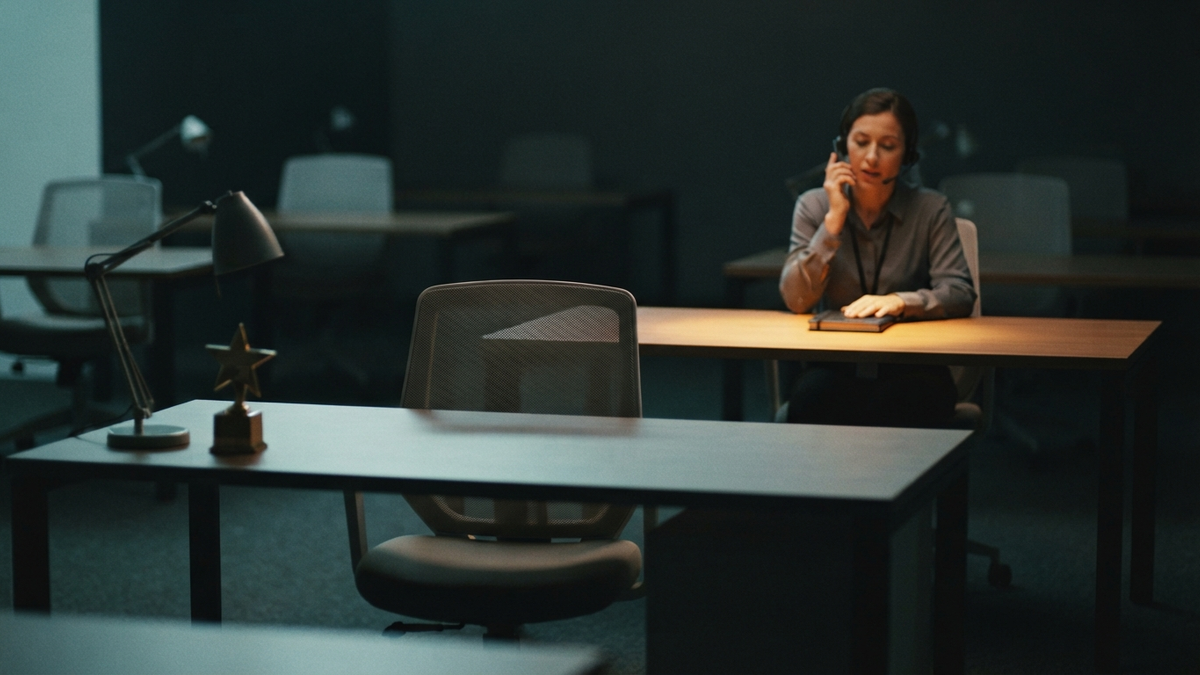
Why Your Best Sales Reps Leave First (And You Won't See It Coming)
Top sales reps quit first because they have the most options, and the warning signs show up weeks before the resignation, not in their numbers.
Read →SDR Burnout Is a Budget-Line Crisis, Not a Motivation Problem
SDR burnout isn't a morale problem — it's a cost problem. Turnover runs 2-3x the cross-industry rate, and each exit costs $115K-150K. Here's the real math.
Read →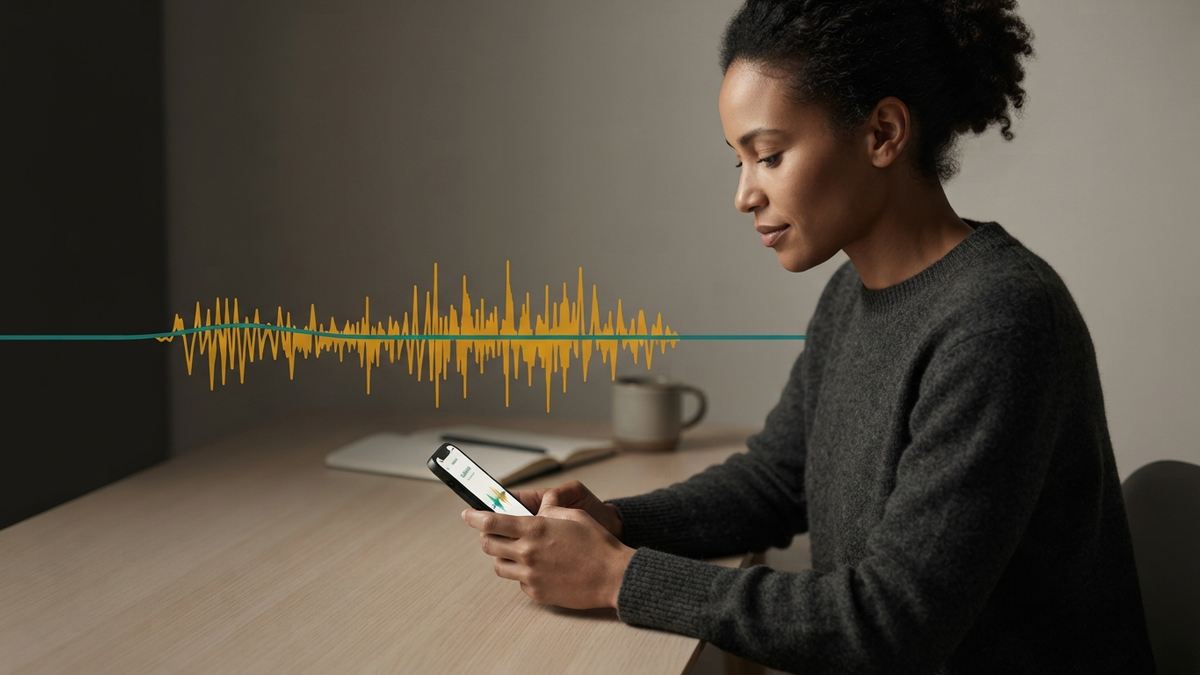
High-Performer Burnout: Why You Don't Feel It Coming
High performers don't ease into burnout — they stay functional until they collapse, because chronic stress dulls the body's own alarm system before the exhaustion does.
Read →
Wearable Burnout: When the Device Becomes the Problem
Wearable burnout isn't just data anxiety — it's the charging, the skin irritation, the silent failures, and the subscription that stops your ring cold. Here's the hardware side nobody covers.
Read →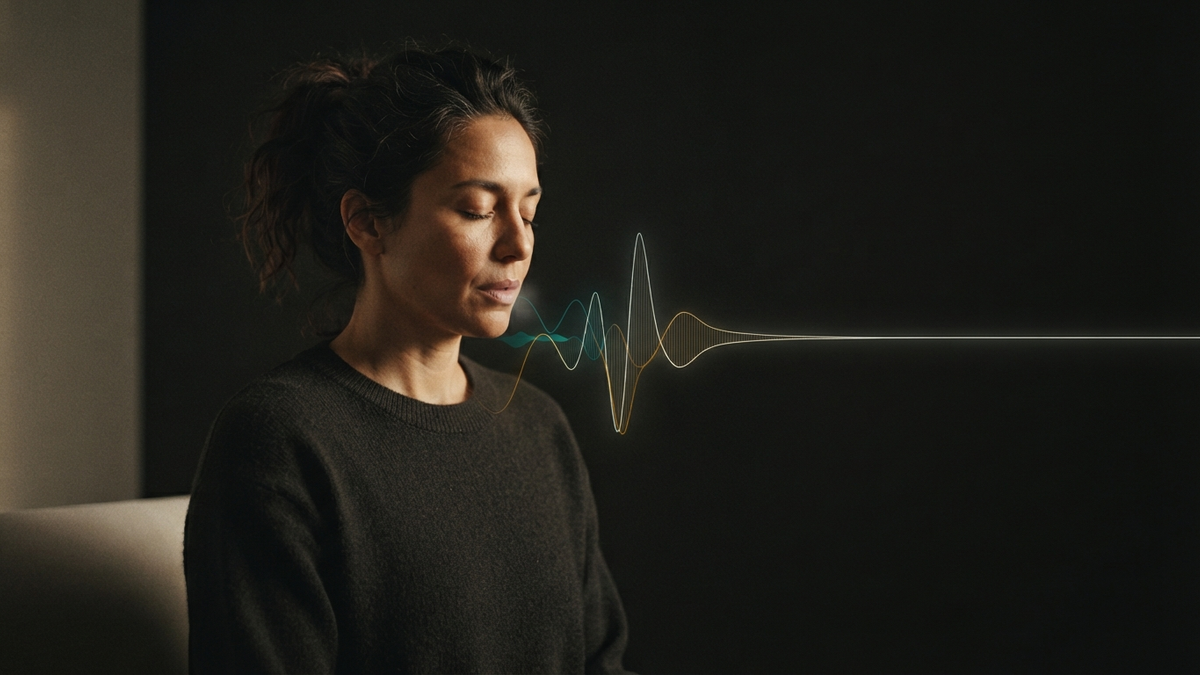
You Coach the Nervous System. You've Never Been Able to Measure It.
Nervous-system regulation is the state your whole practice is built on — and the one thing you've never been able to put a number on. Here's why the client can't feel it, why wearables and self-report miss it, and what an objective read from the voice changes.
Read →
The Between-Session Blind Spot Every Coach Has
You coach a client's stress and energy, but you only see them an hour a week and rebuild the other six days from memory. Here's why self-report can't close that gap — and what an objective between-session read changes.
Read →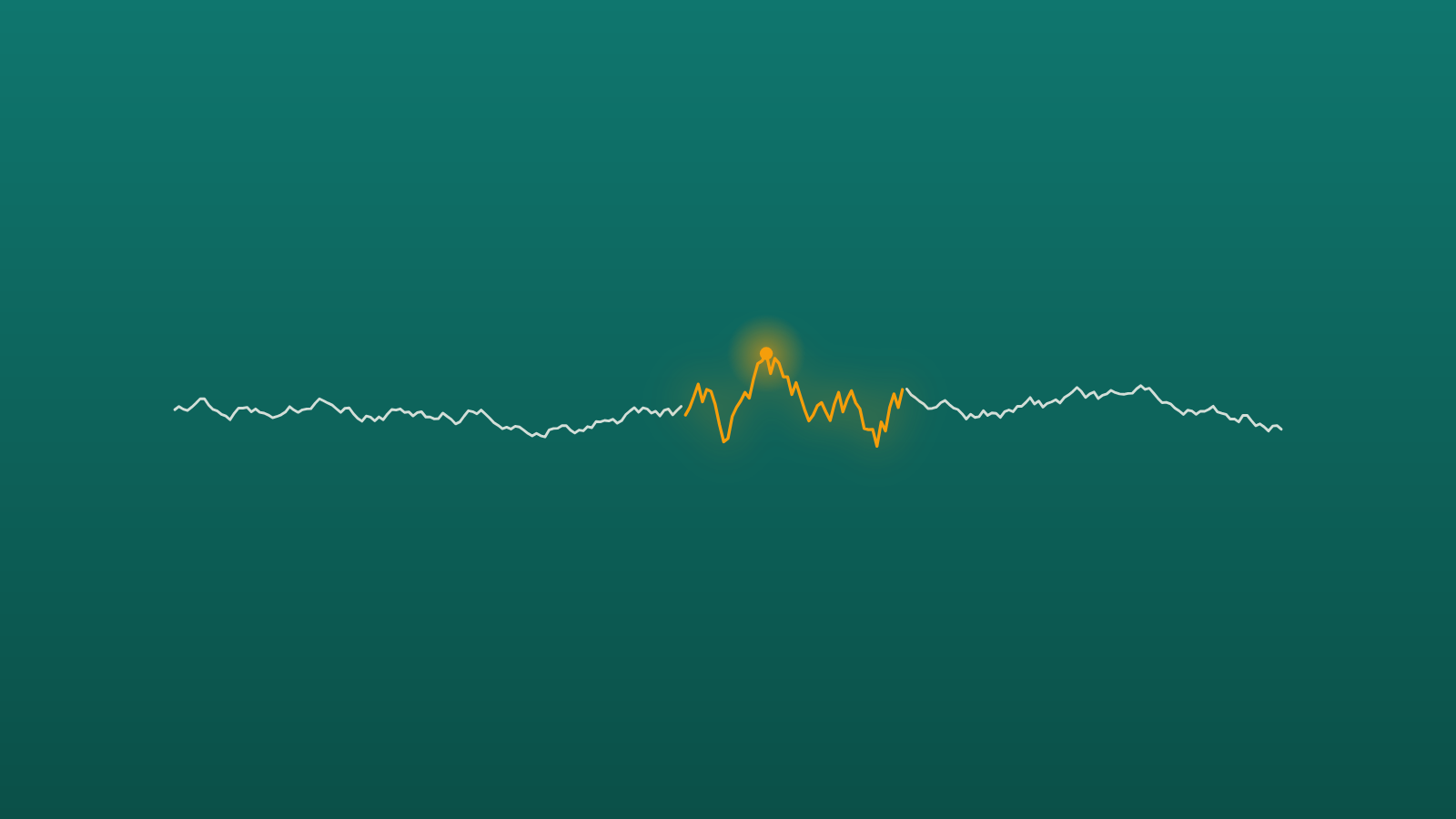
Should Today's You Be at the Screens? The Pre-Trade Check Most Traders Skip
Traders check the charts before the open. Far fewer check themselves. Here's why your state is part of your edge, and the natural-voice pre-trade read that catches a bad day before it costs you.
Read →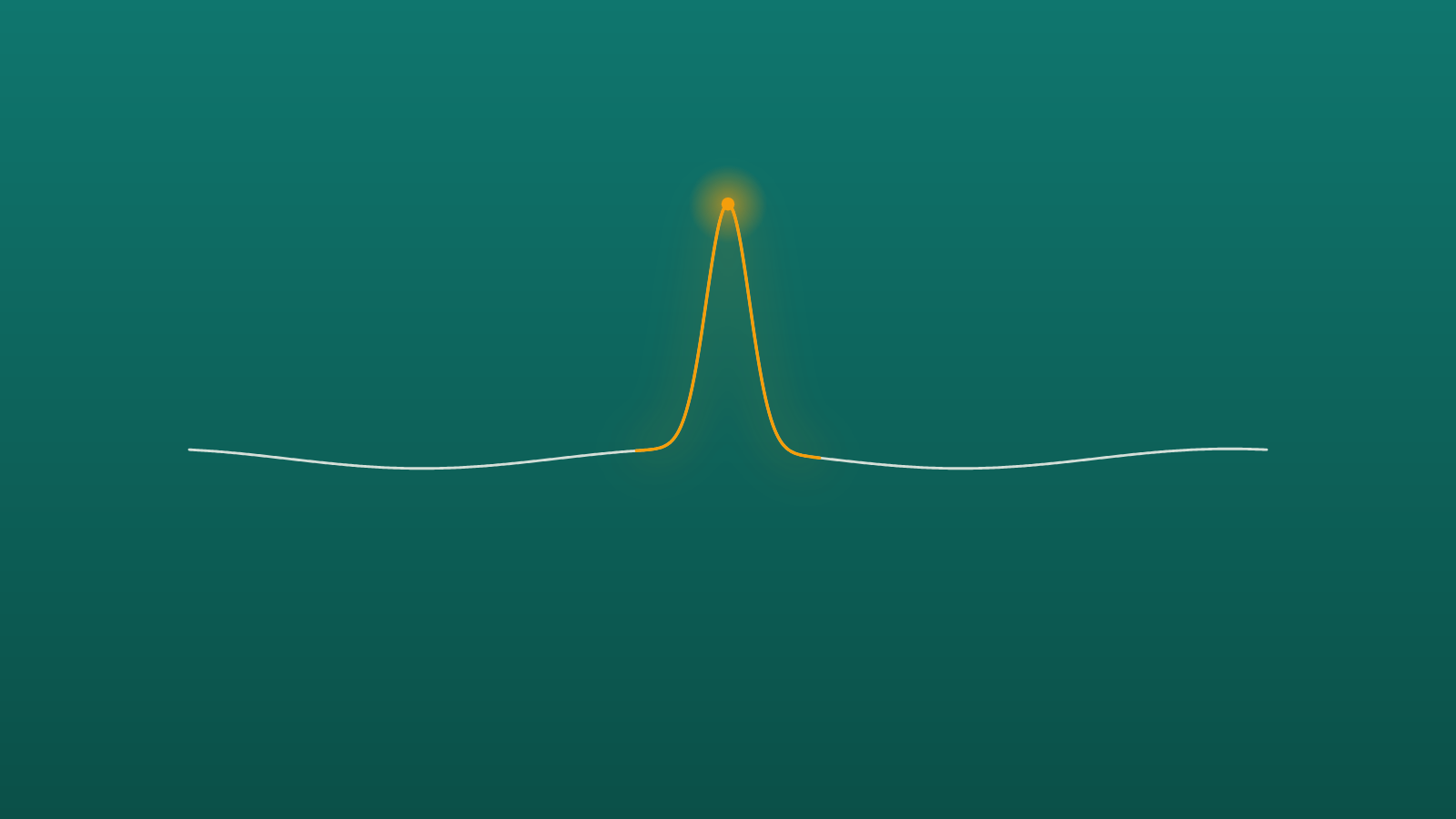
When Your Readiness Score Becomes the Stressor
Your recovery, readiness, and sleep scores were meant to help — but for a lot of people they've become the thing they dread each morning. Here's why that happens, and how to get the signal without the anxiety.
Read →
GLP-1 Fatigue: Why You're So Tired — and How to Track It
Fatigue is one of the most common GLP-1 complaints. Here's why it happens, when it usually eases, what's worth a doctor's look, and how to track whether your energy is recovering.
Read →
Beyond the Scale: How to Track Energy and Mood on a GLP-1
The scale stalls, but your energy, mood, and food noise keep shifting. Here's what to track on a GLP-1 beyond weight, and why those changes are easy to miss.
Read →